Introduction
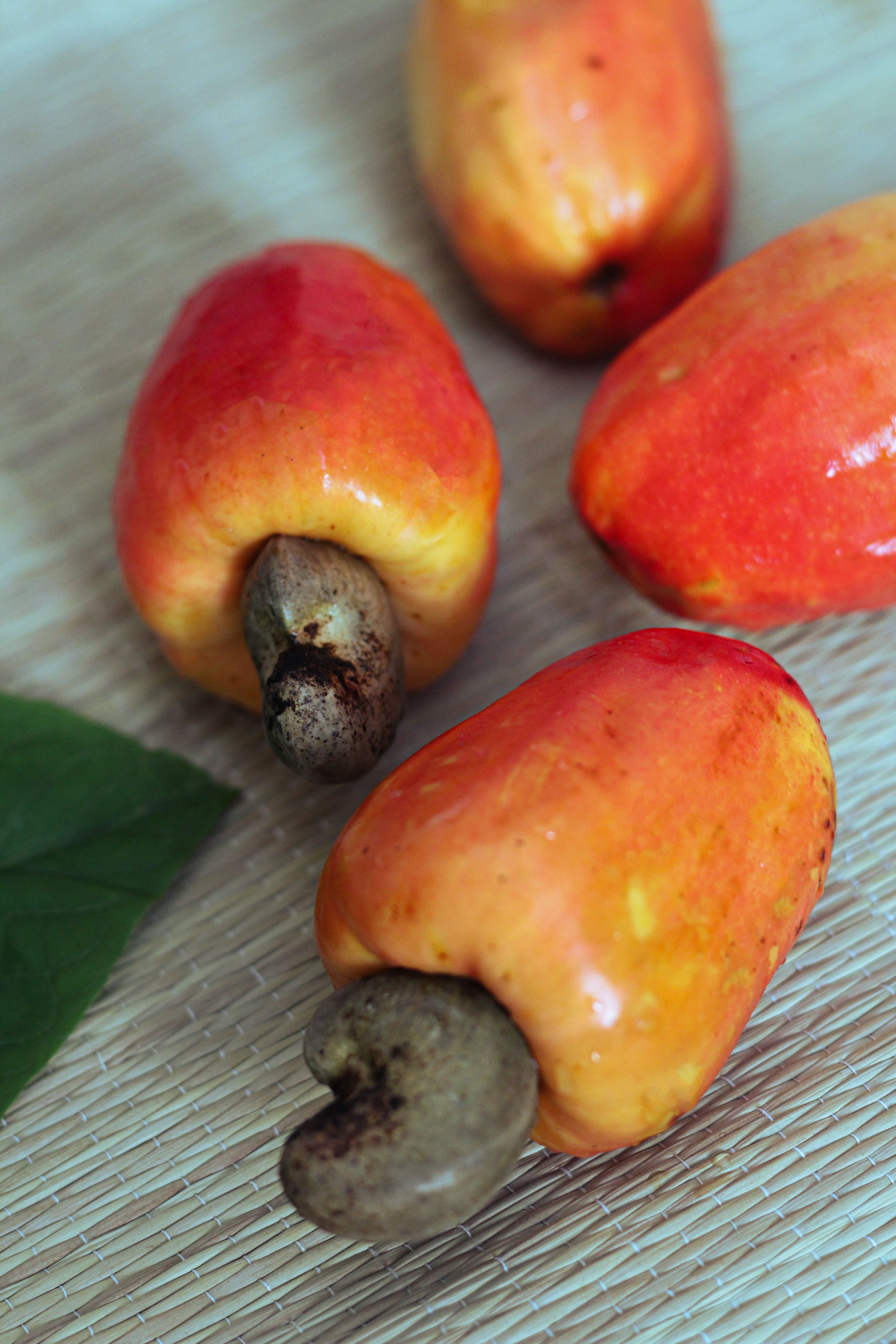
When we think of cashews, we usually think about the familiar kidney-shaped nut. But attached to every cashew nut is a fleshy structure known as the cashew apple—a fascinating part of the cashew plant that is often overlooked.
The cashew apple is the fleshy pseudofruit of the cashew tree, Anacardium occidentale. Botanically, the cashew nut develops from the true fruit, while the fleshy structure commonly called the “cashew apple” is actually the swollen flower stalk.
Beyond its unusual botanical structure, the cashew apple is also nutritionally and phytochemically interesting.
What Makes the Cashew Apple Nutritionally Interesting?
Cashew apple provides nutrients including vitamin C, potassium, and dietary fibre, along with several bioactive plant compounds.
Its vitamin C concentration can vary considerably depending on factors such as cultivar, maturity, and processing. Some varieties can contain substantially more vitamin C than commonly consumed citrus fruits.
The fruit also contains various phytochemicals, including polyphenols such as tannins, flavonoids, and other phenolic compounds.
These compounds can demonstrate antioxidant activity in experimental studies. However, antioxidant activity should not automatically be interpreted as meaning that eating the fruit “rejuvenates” cells or prevents disease.
Why Does Cashew Apple Make Your Mouth Feel Dry and Puckered?
One of the most distinctive characteristics of cashew apple is its astringent sensation.
The dry, rough, or puckering feeling experienced while eating some cashew apples is largely associated with tannins.
Tannins can interact with proteins in saliva and reduce some of its lubricating properties. This produces the characteristic astringent sensation in the mouth.
The intensity of this sensation can vary depending on the variety and maturity of the fruit.
The Important Safety Point: The Raw Cashew Nut
There is an important distinction between the fleshy cashew apple and the raw cashew nut attached to it.
The shell surrounding the raw cashew nut contains cashew nut shell liquid (CNSL), which contains irritating phenolic compounds.
Therefore, the raw nut and its shell should not be chewed or consumed.
The fleshy cashew apple itself is edible, whereas the raw cashew requires appropriate processing before the edible kernel can be safely consumed.
A Fruit That Is Often Underutilized
The cashew apple is also an interesting example of agricultural underutilization.
The quantity of cashew apples produced can greatly exceed the quantity of cashew nuts harvested. Estimates commonly suggest that cashew apple production can reach approximately 10–15 times the mass of the nuts.
Despite this substantial availability, much of the fruit is not consumed because it is highly perishable.
This represents an important opportunity for food processing and value addition. Cashew apple can be used in products such as juices, beverages, preserves, fermented products, and other processed foods.
Its nutritional composition and phytochemical content make it an interesting candidate for greater utilization.
Conclusion
The cashew apple is much more than the fleshy structure attached to a cashew nut.
It is a botanically unusual pseudofruit that can provide vitamin C, potassium, dietary fibre, and various plant compounds, including polyphenols.
Its tannin content helps explain its characteristic astringent sensation, while its highly perishable nature contributes to its significant underutilization.
At the same time, the raw cashew nut and shell require particular attention because cashew nut shell liquid contains irritating phenolic compounds.
So the next time you see a cashew, remember that the familiar nut is only one part of a much more fascinating plant structure.
References
The Cashew Pseudofruit (Anacardium occidentale): Composition, Processing Effects on Bioactive Compounds and Potential Benefits for Human Health – Foods.
Cashew Apple: A Review of Its Nutritional Composition, Bioactive Compounds, and Potential Health Benefits – International Journal of Food Science.