Introduction
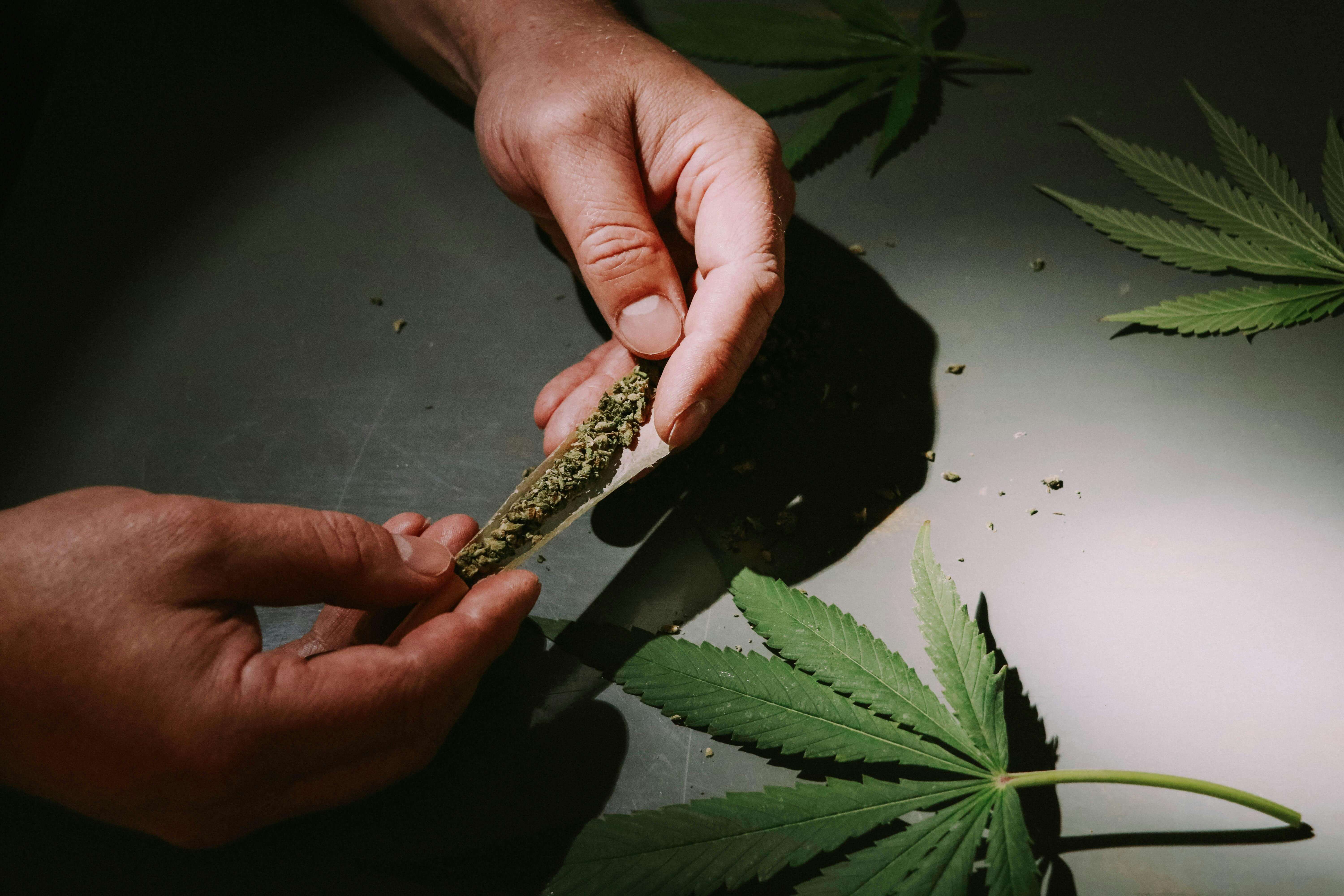
Herbal and Ayurvedic smoking products are often promoted as safer alternatives to conventional tobacco. This perception is largely based on the assumption that “natural” substances are inherently harmless. However, from a scientific standpoint, the primary concern is not the source of the material but the process of combustion itself. When organic substances burn, they produce a range of toxic compounds that can adversely affect human health
The Science of Combustion
Combustion is a chemical process that occurs when organic material burns in the presence of oxygen. This process generates multiple toxic by-products regardless of whether the source is tobacco, herbs, wood, or other plant materials. The harmful effects of smoke are therefore linked to the products of combustion rather than the specific substance being burned.
Carbon Monoxide and Hypoxia
One of the most significant toxic gases produced during combustion is carbon monoxide. Carbon monoxide binds to hemoglobin with a much higher affinity than oxygen, forming carboxyhemoglobin and reducing oxygen delivery to tissues. This leads to hypoxia, which can impair vital organs such as the brain and heart. Authoritative sources such as the Centers for Disease Control and Prevention highlight the role of carbon monoxide in reducing oxygen transport.
Carcinogenic Compounds: Polycyclic Aromatic Hydrocarbons
Incomplete combustion produces polycyclic aromatic hydrocarbons, a group of compounds strongly associated with carcinogenic risk. These substances are generated irrespective of whether the smoke originates from tobacco or herbal sources. Institutions such as the National Cancer Institute identify these compounds as significant contributors to cancer development
Tar Deposition and Lung Injury
Smoke contains particulate matter commonly referred to as tar. These particles deposit within the respiratory tract and damage the ciliary apparatus responsible for clearing mucus and debris. This leads to mucus accumulation, chronic cough, breathlessness, and worsening of respiratory conditions such as asthma. The impact of tar on lung health has been extensively documented by organizations including the American Cancer Society.
Effects on Gas Exchange and Acid–Base Balance
Chronic exposure to smoke impairs gas exchange within the lungs, leading to carbon dioxide retention. This can result in respiratory acidosis, a condition that disrupts the body’s acid–base balance and affects overall physiological function.
The Misconception of “Natural Equals Safe”
A common misconception is that herbal or natural products are inherently safe. However, scientific evidence consistently demonstrates that the harmful effects arise from smoke inhalation itself, regardless of the source material. According to the World Health Organization, there is no safe level of exposure to smoke.
Conclusion
Herbal smoking does not eliminate the risks associated with smoke inhalation. The process of combustion produces toxic gases, carcinogenic compounds, and particulate matter that can damage multiple organ systems. Understanding that the hazard lies in smoke itself, rather than the type of material burned, is essential in avoiding misinformation and making informed health decisions.
References
- World Health Organization. No safe level of tobacco exposure. 2023
- Centers for Disease Control and Prevention. Carbon monoxide poisoning. 2024
- American Cancer Society. Herbal cigarettes and health risks. 2022
- National Cancer Institute. Polycyclic aromatic hydrocarbons and cancer risk. 2023
- Toxicology Reports. Combustion-derived toxins and disease risk. 2022
- Journal of Ethnopharmacology. Herbal smoke and toxicity concerns. 2021