Introduction
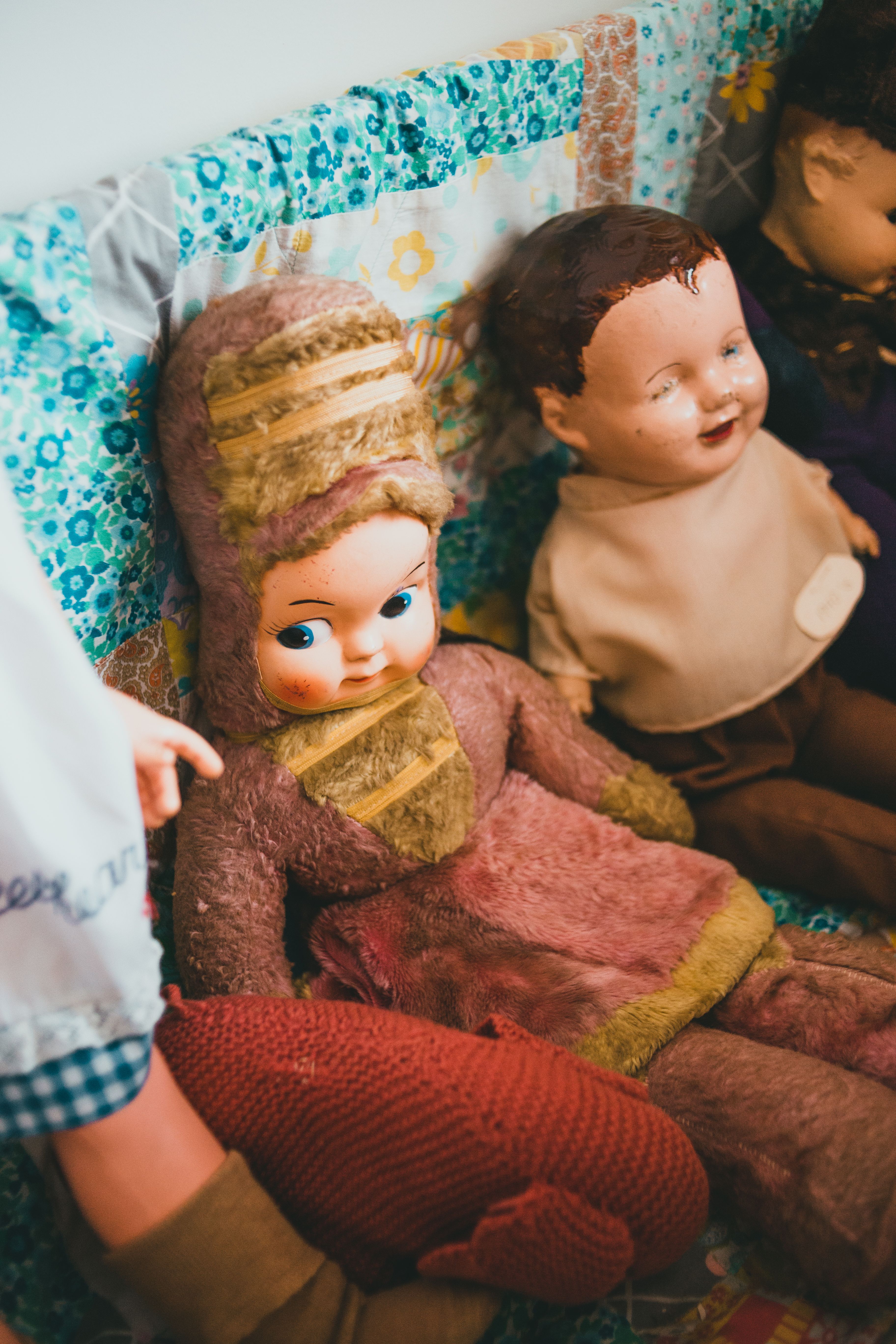
At first glance, some dolls may appear remarkably similar to real newborn babies. These are known as reborn dolls—hyper-realistic dolls carefully created to reproduce the appearance and tactile characteristics of real infants.
From realistic skin colouring and tiny wrinkles to individually rooted hair, eyelashes, nails, soft materials, and realistic weighting, these dolls are designed to create an incredibly lifelike experience.
Although reborn dolls are primarily considered collectible artworks, some people use them for emotional comfort, particularly in situations involving loneliness, grief, emotional distress, or the loss of a child.
Interestingly, there is also a medical and therapeutic connection to the use of lifelike dolls.
What Is Doll Therapy?
Doll therapy is a person-centred, non-drug supportive approach that may be used with some people living with dementia.
Dementia UK describes doll therapy as an approach that can potentially provide comfort, relaxation, pleasure, purpose, and opportunities for communication for some people living with dementia.
The doll may provide an object that a person can hold, dress, care for, or interact with. For some individuals, these activities may create a sense of familiarity, purpose, emotional connection, or reassurance.
However, the response is highly individual. Doll therapy does not work for everyone and should be introduced according to the person’s preferences, needs, and responses.
Why Might a Lifelike Doll Help Someone Living With Dementia?
Dementia can affect memory, communication, orientation, emotional regulation, and the ability to engage with the surrounding environment.
Some people living with dementia may experience anxiety, restlessness, agitation, loneliness, or emotional distress.
A lifelike doll may provide a familiar and comforting object that encourages nurturing behaviours such as holding, rocking, dressing, or caring.
For some individuals, this interaction may help create a feeling of purpose and provide an opportunity for communication and social engagement.
The important principle is person-centred care: the intervention should be guided by the individual’s response rather than assuming that every person with dementia will benefit from a doll.
What Does the Research Say?
Research has investigated doll therapy as a non-pharmacological intervention for behavioural and psychological symptoms associated with dementia.
Systematic review evidence suggests that doll therapy may have beneficial effects on certain behavioural and psychological outcomes, including agitation and emotional distress, among some older people living with dementia.
However, the evidence remains limited and heterogeneous. Doll therapy has not been established as a treatment that reverses dementia or improves the underlying cognitive decline.
Therefore, it should be considered a supportive intervention rather than a cure or disease-modifying treatment.
Doll Therapy Is Not the Same as Treating Dementia
This distinction is extremely important.
Doll therapy does not remove the underlying pathological processes responsible for dementia. It does not restore damaged neurons or reverse cognitive decline.
Instead, its potential role is primarily supportive—helping some individuals experience greater comfort, engagement, emotional reassurance, or meaningful interaction.
As with other non-pharmacological approaches, its usefulness depends on the individual person and the circumstances in which it is used.
Reborn Dolls: More Than Just Collectibles?
Reborn dolls are primarily created as highly realistic artistic and collectible dolls.
Their realistic appearance, weight, skin colouring, hair, eyelashes, and other details can make them resemble real infants remarkably closely.
For some people, however, their value may extend beyond collecting. Holding or caring for a lifelike doll can provide emotional comfort in certain circumstances, including grief or loneliness.
This emotional response does not mean that the doll itself is a medical treatment. Rather, it illustrates how meaningful interaction with objects can sometimes influence emotional well-being.
An Important Consideration
Doll therapy should always respect the person’s dignity, preferences, autonomy, and emotional response.
If a person finds the doll comforting and engaging, it may be incorporated into their care in an appropriate manner.
If the person becomes distressed, confused, or uncomfortable, the intervention should not be forced.
The purpose is not to convince someone that the doll is a real baby. The purpose is to provide an appropriate, person-centred source of comfort or meaningful engagement when it is beneficial to that individual.
Conclusion
Reborn dolls are hyper-realistic baby dolls primarily created as collectibles and artistic objects. Their lifelike appearance and tactile characteristics can also provide emotional comfort for some people experiencing loneliness, grief, or emotional distress.
In dementia care, doll therapy represents a different but related concept. For some people living with dementia, interacting with a lifelike doll or soft toy may promote comfort, relaxation, communication, pleasure, and a sense of purpose.
Evidence suggests that doll therapy may help certain behavioural and psychological symptoms in some individuals, but it does not cure dementia or restore cognitive function.
Sometimes, a doll is simply a doll.
But for someone who is grieving, lonely, or living with dementia, the comfort and emotional response created by that interaction can be very real.
References
1. Dementia UK. Doll therapy for those living with dementia. Last updated June 2025.
2. Peng Y, Liu Y, Guo Z, et al. Doll therapy for improving behavior, psychology, and cognition among older nursing home residents with dementia: a systematic review and meta-analysis. Geriatric Nursing.