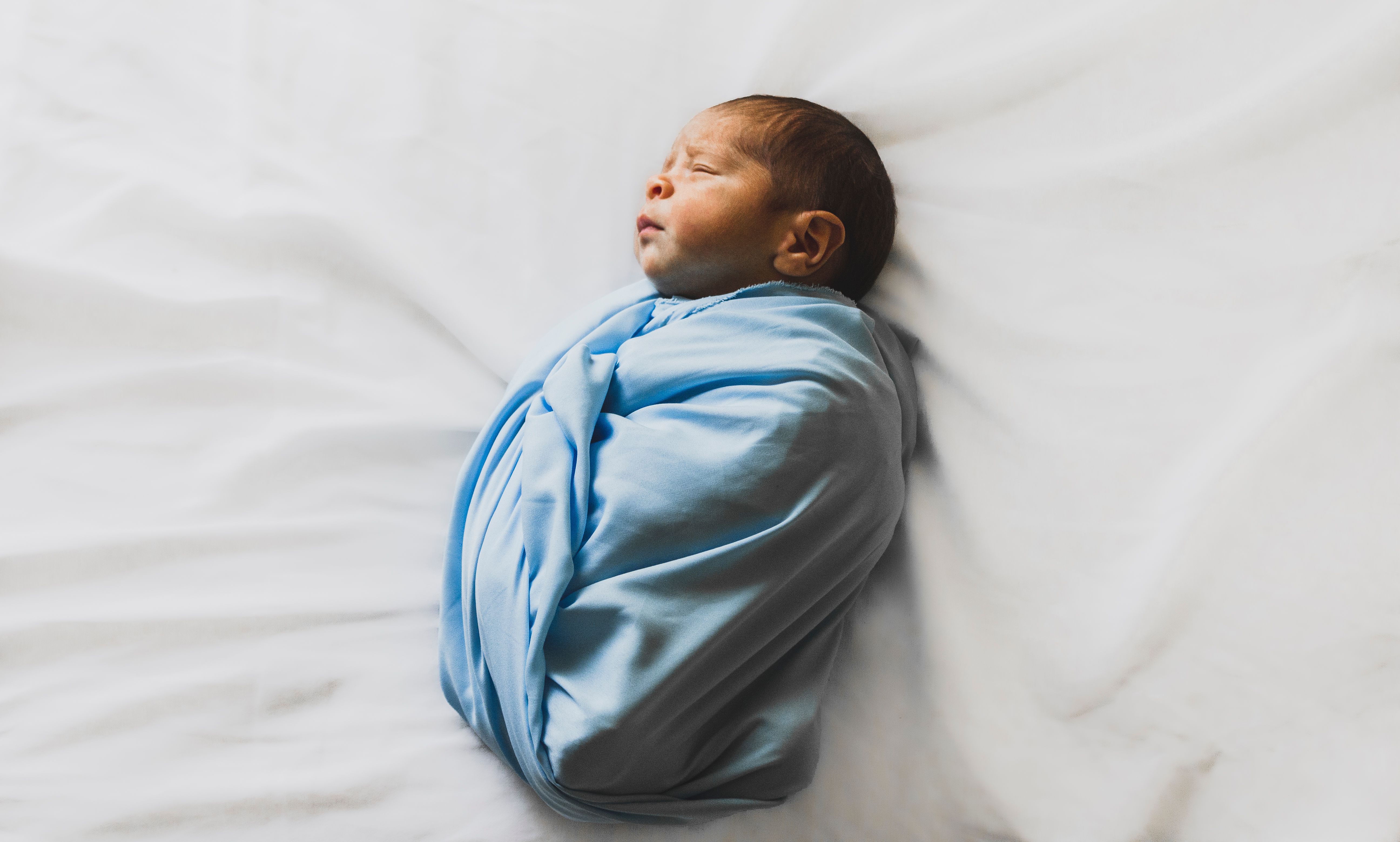
Introduction
Infants have limited ability to move objects away from their face or free themselves when they become trapped or covered.
For this reason, loose fabrics, soft objects, and other unsecured items should not be kept around an infant’s sleep area.
A baby’s sleep environment should be designed to minimize hazards that an infant may not yet have the physical ability to recognize or escape from.
Why Are Loose Objects Dangerous?
The American Academy of Pediatrics (AAP) recommends keeping soft objects and loose bedding away from an infant’s sleep area because they can increase the risk of suffocation, entrapment, wedging, and strangulation.
An infant may accidentally move into or beneath a loose object during sleep. Because young infants have limited motor control and cannot reliably reposition themselves or remove an obstruction from their face, even seemingly harmless items can become hazardous.
What Should Be Kept Out of the Sleep Area?
Parents and caregivers should keep the infant’s sleep surface firm, flat, and free from loose or unsecured items.
This includes:
* Loose blankets
* Towels
* Shawls
* Scarves
* Pillows
* Stuffed toys
* Cushions
* Other soft or unsecured objects
The goal is not to make the sleep environment complicated. It is actually very simple: the baby’s sleep space should remain clear.
The Safest Approach
A clear sleep surface reduces opportunities for an infant to become covered, trapped, wedged, or entangled.
Parents and caregivers should therefore avoid placing unnecessary soft objects or loose materials around a sleeping infant, even if those items appear comfortable or harmless.
Safe infant sleep begins with a simple principle:
Keep the baby’s sleep space clear.
Conclusion
When it comes to infant sleep, simpler is safer. A baby’s sleep space should be firm, flat, and free from loose blankets, pillows, toys, cushions, towels, and other unsecured objects that could pose a risk of suffocation, entrapment, or strangulation.
Babies cannot reliably recognize or escape from hazards around them, so creating a clear sleep environment is one of the simplest ways parents and caregivers can reduce preventable sleep-related risks.
A safe sleep space does not need extra accessories—just a clear, firm, and unobstructed surface for your baby to sleep on.
Reference
Sleep-Related Infant Deaths: Updated 2022 Recommendations for Reducing Infant Deaths in the Sleep Environment – American Academy of Pediatrics (AAP).