Introduction
Smoking is often viewed as an individual habit, but tobacco smoke does not remain confined to the person who smokes. When a cigarette is smoked around other people, the surrounding air becomes contaminated with numerous harmful substances that can be inhaled by family members, friends, children, and other non-smokers.
This exposure is known as second-hand smoke, and it can affect people who have never chosen to smoke themselves. According to the World Health Organization, tobacco causes more than 7 million deaths every year, including approximately 1.6 million deaths among non-smokers exposed to second-hand smoke. WHO also emphasizes that there is no safe level of exposure to second-hand smoke. WHO — Tobacco and nicotine
What Is Second-Hand Smoke?
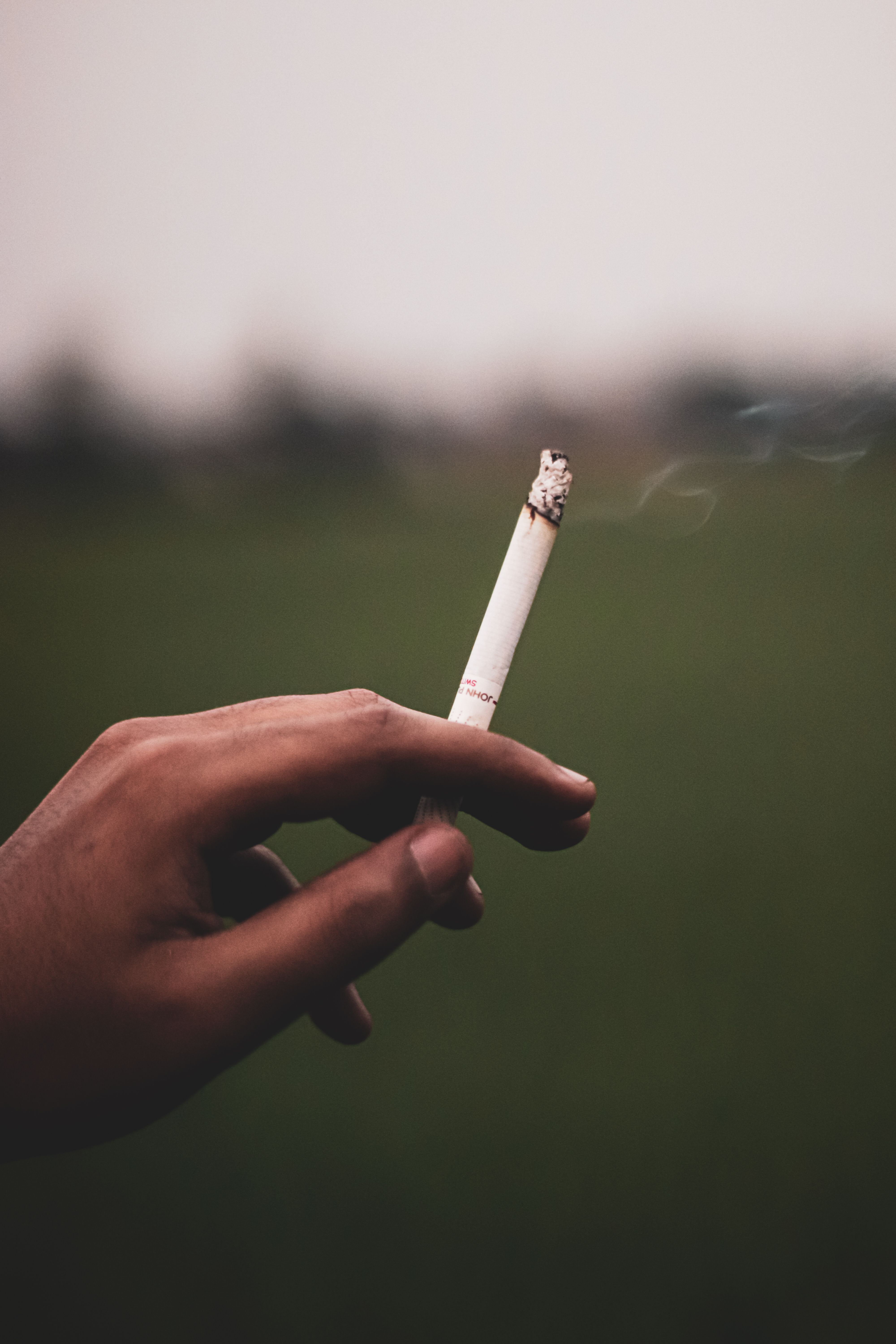
Second-hand smoke is the combination of smoke released from a burning tobacco product and smoke exhaled by a person who is smoking.
When someone smokes indoors or close to other people, these toxic substances can accumulate in the surrounding environment and subsequently be inhaled by others.
The exposed person does not need to smoke a cigarette themselves to experience biological effects from tobacco smoke.
How Can It Affect the Cardiovascular System?
Second-hand smoke contains substances that can adversely affect blood vessels and cardiovascular function.
Exposure is associated with an increased risk of cardiovascular disease, including coronary heart disease and stroke. Even relatively brief exposure can have measurable effects on vascular function, while repeated exposure increases cumulative health risks. WHO — Tobacco and nicotine
Therefore, protecting non-smokers from tobacco smoke is an important cardiovascular health measure.
Effects on the Respiratory System
The respiratory system is directly exposed to inhaled tobacco-smoke particles and chemicals.
Repeated exposure to second-hand smoke can contribute to respiratory disease and can worsen respiratory symptoms, particularly in vulnerable individuals.
Children are especially susceptible because their lungs and respiratory systems are still developing. Exposure can increase the risk of respiratory infections and asthma-related problems and may adversely affect normal lung development. WHO — Tobacco and nicotine
Why Are Children Particularly Vulnerable?
Children cannot control the environment in which they live, making household exposure particularly concerning.
A child may repeatedly inhale tobacco smoke when a parent or another household member smokes indoors. This repeated exposure can contribute to respiratory infections, asthma, and other adverse respiratory outcomes.
For this reason, avoiding smoking inside homes, vehicles and other enclosed spaces is an important way of protecting children.
Smoking and Pregnancy
Tobacco smoke exposure during pregnancy can affect both the mother and developing fetus.
Maternal exposure to tobacco smoke is associated with adverse pregnancy outcomes, including low birth weight, preterm birth and stillbirth. Tobacco exposure during pregnancy has also been associated with an increased risk of certain congenital abnormalities.
The developing fetus is particularly vulnerable because tobacco-related chemicals can cross the placenta and interfere with normal fetal development.
Smoking and Sexual Health
The effects of smoking are not limited to the lungs.
Tobacco use can impair vascular function and damage the blood vessels involved in normal erectile physiology. Consequently, smoking is associated with an increased risk of erectile dysfunction.
This provides another example of how tobacco-related vascular injury can affect organ systems beyond the respiratory tract.
The Important Difference Between Choice and Exposure
An adult may consciously choose to smoke, but the people around them have not necessarily made that choice.
A child sitting in a smoking household, a pregnant woman exposed to smoke, or a family member breathing contaminated indoor air is receiving exposure without intentionally using tobacco.
Therefore, smoking becomes more than an individual health behaviour when other people are involuntarily exposed.
Conclusion
Smoking harms the person who smokes, but its effects do not stop there. Second-hand smoke exposes surrounding people to harmful tobacco chemicals and is associated with cardiovascular disease, respiratory disease, and lung cancer.
Children, pregnant women, and people with existing respiratory or cardiovascular vulnerabilities may be particularly affected.
You may choose to smoke, but the people around you never chose to breathe your smoke.
Protecting yourself from tobacco is important—but protecting the people around you is important too.
Reference
World Health Organization (WHO). Tobacco and nicotine. 2026.